Food lies at the heart of Balinese life — it’s a bridge between the physical and the spiritual, woven into family routines, temple offerings, and community celebrations. For travelers, a traditional Balinese cooking class is more than a culinary experience — it’s an invitation to understand the island’s soul through its flavors, rituals, and hospitality.
You won’t just learn recipes; you’ll learn stories — of ancestry, balance, and the sacred art of preparing food with intention.
Why Take a Cooking Class in Bali?
Balinese cuisine is a dance of balance — sweet, spicy, sour, and earthy flavors working in perfect harmony. Each dish begins with fresh ingredients and handmade spice pastes that are ground by hand on stone mortars, just as they have been for centuries.
Joining a local cooking class lets you experience the entire journey — from haggling over herbs in the morning market to stirring fragrant curries in an open-air kitchen. You’ll leave not only with new skills but with a deeper understanding of how food shapes Balinese culture and spirituality.
What to Expect in a Balinese Cooking Class
1. Morning Market Visit
Most classes begin early with a trip to a traditional market. The air buzzes with color and energy — piles of turmeric, chilies, lemongrass, and tropical fruit spill over wooden stalls. Your instructor will show you how to choose the freshest ingredients while introducing the rhythms of local life.
Tip: Arrive around 7 a.m. when the markets are at their liveliest.
2. Making the Spice Pastes (Base Gede)
At the core of almost every Balinese dish is base gede — a vibrant blend of shallots, garlic, turmeric, galangal, candlenuts, chilies, and shrimp paste. You’ll grind it by hand with a mortar and pestle, releasing its deep aroma and connecting to generations of cooks before you.
3. Cooking Traditional Dishes
Depending on the class, you might prepare:
- Lawar: Minced meat mixed with grated coconut and spices — a ceremonial staple.
- Sate Lilit: Minced fish wrapped around lemongrass sticks and grilled over charcoal.
- Ayam Betutu: Chicken slow-cooked in spices and banana leaves.
- Gado-Gado: A beloved vegetable salad with rich peanut sauce.
- Dadar Gulung: Green pandan crêpes filled with sweet coconut and palm sugar.
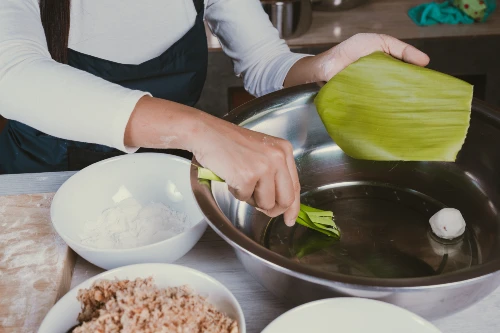
Classes are fully hands-on — expect to chop, stir, and season under the watchful eye of chefs or home cooks who’ve inherited these recipes through generations.
4. Sharing the Meal
The best part comes at the end — gathering around a shared table to enjoy the feast you’ve created. Meals are served family-style, often in a garden or traditional compound, and the laughter and stories flow as freely as the tea.
Where to Take Cooking Classes in Bali
Ubud – The Cultural and Culinary Heart
- Paon Bali Cooking Class: Family-run and held in a traditional home; includes a lively market visit.
- Casa Luna Cooking School: Founded by a celebrated local chef, blending storytelling with authentic recipes.
- Lobong Culinary Experience: Offers insight into Balinese traditions and temple offerings alongside the cooking.
Canggu & Seminyak – Modern with a Traditional Touch
- Warung Eny’s Cooking Class: A home-style experience centered on heritage dishes and local produce.
- Bumbu Bali Cooking School (Nusa Dua): One of Bali’s most respected institutions, offering village-style instruction with professional flair.
Sidemen & Amed – Off the Beaten Path
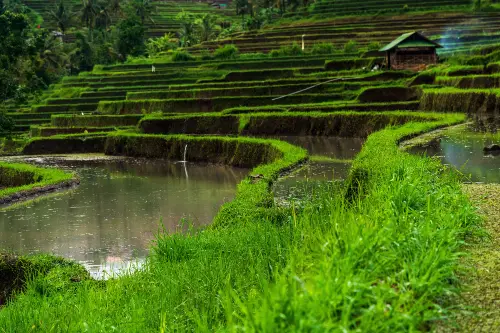
Rural cooking classes in these regions offer a slower, more intimate experience — think open-air kitchens overlooking rice terraces and hands-on guidance from village families.
Tips for Choosing the Right Class
- Go local: Family-run schools often provide the most authentic and personal experience.
- Keep it small: Smaller groups mean more time at the stove and richer conversation.
- Choose traditional: Look for classes that include market visits and base gede preparation.
- Come hungry: You’ll be tasting everything — and likely taking leftovers home.
Beyond the Kitchen: The Cultural Connection
In Bali, cooking is sacred. Every spice, every dish carries meaning — offerings made to the gods, food shared among families, and flavors shaped by ceremony. Joining a cooking class isn’t just a culinary activity; it’s a glimpse into how the Balinese express gratitude, harmony, and devotion through food.
Final Thoughts
Taking a cooking class in Bali feels like being welcomed into someone’s home. You’ll grind spices, wrap banana leaves, and share laughter across the table — surrounded by rice fields, birdsong, and the scent of lemongrass in the air.
And when you recreate those dishes back home, each bite will bring back more than flavor — it will bring back the spirit of Bali itself.