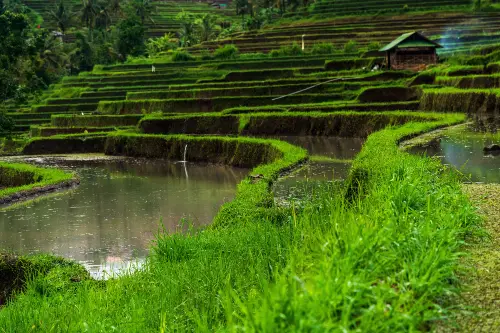
Bali may be known for its beaches and temples, but it’s also a paradise for coffee lovers. From the misty mountain plantations of Kintamani to the bohemian cafés of Canggu and Ubud, the island’s coffee culture blends centuries-old traditions with a thriving modern café scene. Whether you’re sipping a rich, fire-brewed Kopi Tubruk or an oat flat white surrounded by rice fields, every cup tells a story of heritage, creativity, and connection.
The Roots of Balinese Coffee
Coffee arrived in Indonesia in the 17th century with Dutch traders, and Bali quickly became one of its key growing regions. The island’s volcanic soil, high altitudes, and tropical climate make ideal conditions for cultivating Arabica and Robusta beans, especially in the Kintamani Highlands.
Balinese farmers often grow coffee alongside citrus trees, adding subtle fruity notes to the beans. These traditional, organic methods reflect Tri Hita Karana, Bali’s philosophy of harmony among people, nature, and spirit.
Traditional Brews: The Art of Kopi Tubruk
Before espresso machines and pour-over brews, there was Kopi Tubruk—a classic Balinese favorite still enjoyed across the island. It’s made by mixing coarse coffee grounds directly with boiling water and sugar, resulting in a strong, unfiltered drink with a thick layer of grounds at the bottom.
Served in warungs (local eateries) and homes, Kopi Tubruk isn’t just coffee—it’s a ritual of hospitality and community.
Where to Try It:
- Warung Kopi Bali Seniman (Ubud): A creative twist on traditional Kopi Tubruk.
- Local markets in Kintamani: Freshly brewed with locally roasted beans.
- Sidemen Valley guesthouses: Often offer homemade coffee roasted on-site.
The Rise of Bali’s Café Culture
Over the past decade, Bali has transformed into one of Southeast Asia’s café capitals. Neighborhoods like Canggu, Uluwatu, and Ubud now buzz with espresso machines, laptop-toting nomads, and design-forward cafés.
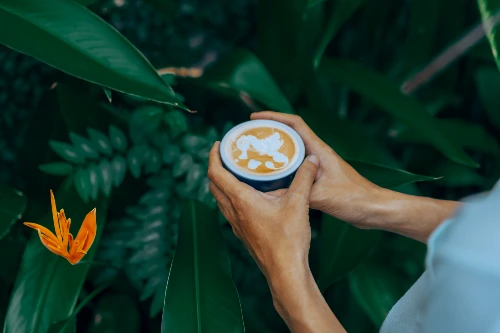
Modern Balinese cafés balance international coffee trends with local craftsmanship—think bamboo interiors, open terraces, lush greenery, and ocean or rice field views. Many source beans from nearby farms, linking contemporary coffee culture back to Bali’s agricultural roots.
Top Cafés to Visit:
- Revolver Espresso (Seminyak): Iconic spot for bold espresso and vintage charm.
- Seniman Coffee Studio (Ubud): A creative roastery and café leading local coffee innovation.
- The Shady Shack (Canggu): Relaxed vegan café serving quality brews with tropical views.
- Expat Roasters (Seminyak & Uluwatu): Specialty roaster blending Australian techniques with Balinese beans.
- Miel Coffee (Canggu): Minimalist, sunlit café—perfect for design lovers and photographers.
Specialty and Luwak Coffee: Luxury or Controversy?
No discussion of Balinese coffee is complete without Kopi Luwak, or civet coffee—made from beans naturally fermented by the Asian palm civet. It’s prized for its smooth flavor, but the industry has been criticized for unethical animal practices.
Ethical tip: Choose wild-sourced Kopi Luwak, collected naturally in the forest rather than from caged animals. Reputable producers like Bali Pulina Agro Tourism near Ubud promote responsible sourcing and visitor education.
Coffee Tours and Experiences
Bali’s coffee journey goes beyond cafés. Across the island, plantations and roasteries invite visitors to learn, taste, and connect with the people behind the beans.
Recommended Experiences:
- Kintamani Coffee Plantation Tours: Walk through mountain farms, learn about harvesting and roasting, and sample fresh brews.
- Ubud Coffee Workshops: Hands-on barista and tasting classes.
- Eco-farms in Munduk and Sidemen: Combine hiking and traditional roasting demonstrations with farm-to-cup experiences.
These tours give travelers insight into Bali’s sustainable coffee ecosystem while supporting local farmers and communities.
When Tradition Meets Trend
Bali’s coffee culture reflects what makes the island special—rooted in tradition, yet open to reinvention. It’s about honoring the past through rituals like Kopi Tubruk while embracing the creativity of third-wave coffee culture. Whether you’re in a family-run warung or a sleek café with minimalist décor, every cup carries the same essence: a connection to Bali’s people, land, and artistry.
Final Thoughts
From misty mountain plantations to coastal espresso bars, Bali’s coffee scene mirrors its soul—vibrant, soulful, and ever-evolving. Exploring it isn’t just about caffeine; it’s a journey through history, community, and craftsmanship. So take your time, savor each sip, and let Bali’s coffee tell its story—one cup at a time.