Bali’s rice terraces are more than beautiful landscapes — they’re living expressions of the island’s heritage, spirituality, and community spirit. Seeing these emerald slopes for yourself is one of Bali’s most unforgettable experiences.
But if you’re planning your first trip, you might wonder: Should you visit Tegallalang or Jatiluwih? Both are stunning, both are steeped in tradition — yet each offers a completely different kind of experience. Here’s how to choose the one that fits your travel style — or why you might want to visit both.
________________________________________
Tegallalang Rice Terraces: Iconic Views and Lively Energy
Just 20 minutes north of Ubud, Tegallalang is the most famous of Bali’s rice terraces — and for good reason. Its dramatic layers curve down into a lush green valley, creating one of the island’s most photographed scenes.
Tegallalang isn’t just a viewpoint — it’s an atmosphere. Small cafés perch on the ridge, offering coconuts and espresso with a view. The sound of laughter and camera shutters fills the air, while farmers continue their daily routines among the terraces. It’s where tradition meets tourism in full color.
Best For:
• Travelers with limited time
• Classic “Bali postcard” photos
• Café hopping and scenic views
• Visitors staying in or near Ubud
Good to Know:
• Arrive early — it gets busy after 9 a.m.
• Paths can be muddy and steep, so wear good shoes
• Local farmers may ask for small donations to access certain paths
Tegallalang is perfect if you want to feel the energy of Bali’s most photographed valley — a place that’s as lively as it is beautiful.
________________________________________
Jatiluwih Rice Terraces: UNESCO Heritage and Timeless Tranquility
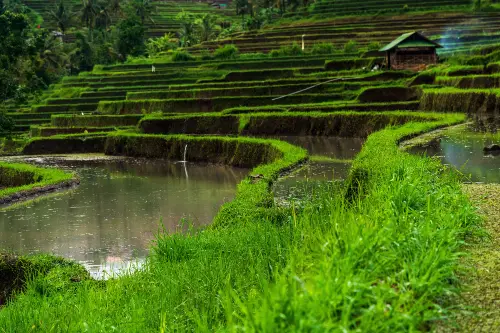
About 90 minutes from Ubud, in the Tabanan Regency, Jatiluwih offers a very different kind of beauty — wide, peaceful, and deeply rooted in tradition. Recognized as a UNESCO World Heritage Site, it’s part of Bali’s Subak irrigation system, an ancient cooperative network that reflects the island’s philosophy of harmony between people, nature, and spirit.
Here, the landscape stretches endlessly — green terraces rolling into the distance under cool mountain air. You can walk or cycle along clearly marked trails, passing local farmers and quiet temples while the only sound is wind moving through the rice stalks.
Best For:
• Nature lovers and culture seekers
• Photography without crowds
• Long walks or e-bike adventures
• Travelers wanting a more authentic side of Bali
Good to Know:
• There are fewer restaurants and shops — bring snacks and water
• It’s best as a half-day or full-day trip
• Combine it with nearby sites like Ulun Danu Beratan Temple for a full itinerary
Jatiluwih is where Bali slows down. It’s a chance to experience the island’s agricultural roots, away from the tourist rush.
________________________________________
Side-by-Side Comparison
Feature Tegallalang Jatiluwih
Location Near Ubud Tabanan Regency
Atmosphere Busy, social, photogenic Peaceful, authentic, rural
Accessibility Quick and easy Longer scenic drive
Best For Photos, cafés, short visits Nature walks, culture, solitude
Fees Donation + parking Entrance fee
Recommended Time 1–2 hours 3–4 hours
________________________________________
Cultural Meaning: A Living Heritage
Both Tegallalang and Jatiluwih are part of Bali’s centuries-old Subak system — an irrigation network that reflects the island’s philosophy of balance between humans, nature, and the divine. These terraces are not just farms; they’re sacred landscapes blessed through temple ceremonies and maintained through community cooperation.
When visiting, help preserve their spirit by:
• Staying on marked trails
• Avoiding damage to crops
• Supporting local farmers and family-run warungs
• Keeping noise low in farming areas
________________________________________
When to Visit the Rice Terraces
The appearance of the terraces changes with the rice-growing cycle, offering different kinds of beauty throughout the year.
Best Months What You’ll See
February–April Lush, bright-green rice fields
May–June Golden harvest season
July–August Freshly replanted terraces
September–December Young, vibrant green growth
For the best experience, visit early in the morning (7–9 a.m.) or late afternoon when the light is soft and the air is cooler.
________________________________________
Final Thoughts
So — Tegallalang or Jatiluwih?
If you’re looking for an iconic Bali photo and a lively atmosphere close to Ubud, Tegallalang is ideal. If you prefer quiet trails, wide-open views, and an authentic glimpse of Balinese rural life, Jatiluwih will leave a lasting impression.
Each represents a different side of Bali’s soul — one vibrant and social, the other peaceful and timeless. If you can, visit both. Together they tell the island’s deeper story — one of balance, tradition, and connection between people and the land.
article ready for on-site publishing.