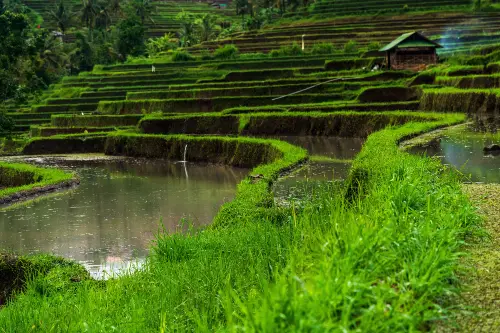
Bali, Indonesia, is more than just a popular destination—it’s a place where culture, spirituality, and natural beauty meet in unforgettable ways. For first-time visitors, the island can be both enchanting and overwhelming. Whether you’re drawn to Bali’s iconic temples, rice terraces, or beachside sunsets, having the right information will set the stage for a smooth and meaningful journey. This guide will cover essential insights to help you arrive informed and ready to make the most of your stay.
Bali’s Seasons: Choosing the Right Time to Visit
Bali has two main seasons that can significantly shape your trip:
Dry Season (April – October):
This is thought to be the best time to visit, especially if your plans involve sunbathing, surfing, or hiking through Bali’s lush interiors. Clear skies and little to no rainfall make for ideal beach days and outdoor adventures.
Wet Season (November – March):
Rainfall is more frequent, typically arriving in the afternoons. While the landscape becomes especially green and vibrant during this time, it’s important to be ready for occasional travel delays and wet weather. On the plus side, there are fewer tourists and better off-season rates. It’s calm and crowd-free.
Getting Around: Transportation Tips for First-Timers
In Bali there are no services similar to Uber , instead local apps such as Grab and Gojek offer convenient alternatives for booking cars or scooters.
If you seek to go around Bali more independantly, scooter rentals are widely available. However, this option is best suited for confident riders. Always wear a helmet, and be aware that road conditions and traffic can be unpredictable.
Cultural Etiquette: Understanding Local Traditions
Bali is deeply rooted in Balinese Hinduism, and daily life reflects a strong sense of spiritual devotion. Visitors are welcomed warmly, but cultural respect is fundamental.
When visiting temples or sacred sites, modest outfit is expected—cover shoulders and knees, and wear a sarong if required. Avoid touching anyone’s head, as it is considered the most sacred part of the body.
Currency and Payments: What to Know About Money in Bali
While credit cards are accepted at major hotels and tourist-focused restaurants, many local businesses are cash-only. Indonesian Rupiah (IDR) is the local currency, and ATMs are widely available in cities and tourist areas.
For money withdraw, opt for machines located inside bank branches to reduce the risk of card skimming. Tipping is not obligatory but is genuinely appreciated—especially for service staff, guides, and drivers.
Packing Essentials: What to Bring for a Comfortable Trip
Bali’s tropical climate calls for light, breathable clothing. Here are some must-haves:
- Lightweight outfits suitable for heat and humidity
- A compact rain jacket for unexpected showers
- Reef-safe sunscreen to protect both your skin and the environment
- Insect repellent, especially for evenings or jungle excursions
- A reusable water bottle—many eco-conscious cafes and hotels offer free refills
Local Know-How: Tips That Make a Difference
To enhance your experience, make sure to use Google Translate or another offline translation app. While many Balinese speak English, learning a few simple phrases like “Terima kasih” (thank you) can go a long way in showing appreciation.
Bali isn’t just a destination—it’s an atmosphere, a rhythm, and a way of life. Traveling here for the first time is an opportunity to experience a culture that’s both ancient and alive. It’s guaranteed you’ll make far more than just memories—you’ll carry a piece of Bali with you.
Start your adventure prepared, and let the island show you the rest of the way.